Moving to Switzerland
You are currently planning your move to Switzerland, maybe even to Zurich? Then there is a lot to organize - from registration and apartment search to the job and the first leisure activities. Here you will find practical information and useful links so that you can quickly find your way around here.

Do I need a visa for entry?
Whether you need a visa and which requirements apply to entry into Switzerland depends mainly on your nationality and purpose of your stay. EU/EFTA citizens can generally enter without a visa. Different rules apply to persons from third countries. It is best to inform yourself early at the Swiss representation in your home country and/or at the State Secretariat for Migration (SEM) about visa, entry and residence. On the following websites you will find all the necessary information:
Canton of Zurich – Migration & Integration, SEM – Entry & Stay
How do I find an apartment in Zurich?
The search for an apartment in Zurich can require a lot of patience - especially in popular neighborhoods, affordable apartments are in high demand and often only briefly on the market. Therefore, search as early as possible and look regularly on several platforms. In addition to classic rental apartments, you will also find shared rooms, furnished apartments and interim rentals. Useful platforms are for example Homegate oder Flatfox. Tipp: Halte immer einen aktuellen Betreibungsregisterauszug bereit und rechne bei Mietwohnungen mit einer Kaution von drei Monatsmieten. Funfact: In älteren Schweizer Wohnhäusern ist es ganz normal, sich mit anderen Hausbewohnern eine Waschmaschine im Keller zu teilen. Regel Nummer eins: Grüsse deine Nachbarn mit einem netten «Grüezi!» im Treppenhaus und lass deine Wäsche nicht unnötig lange im Trocknungsraum hängen, dann steht einer guten Nachbarschaft nichts im Weg.
I live in Switzerland – what now?
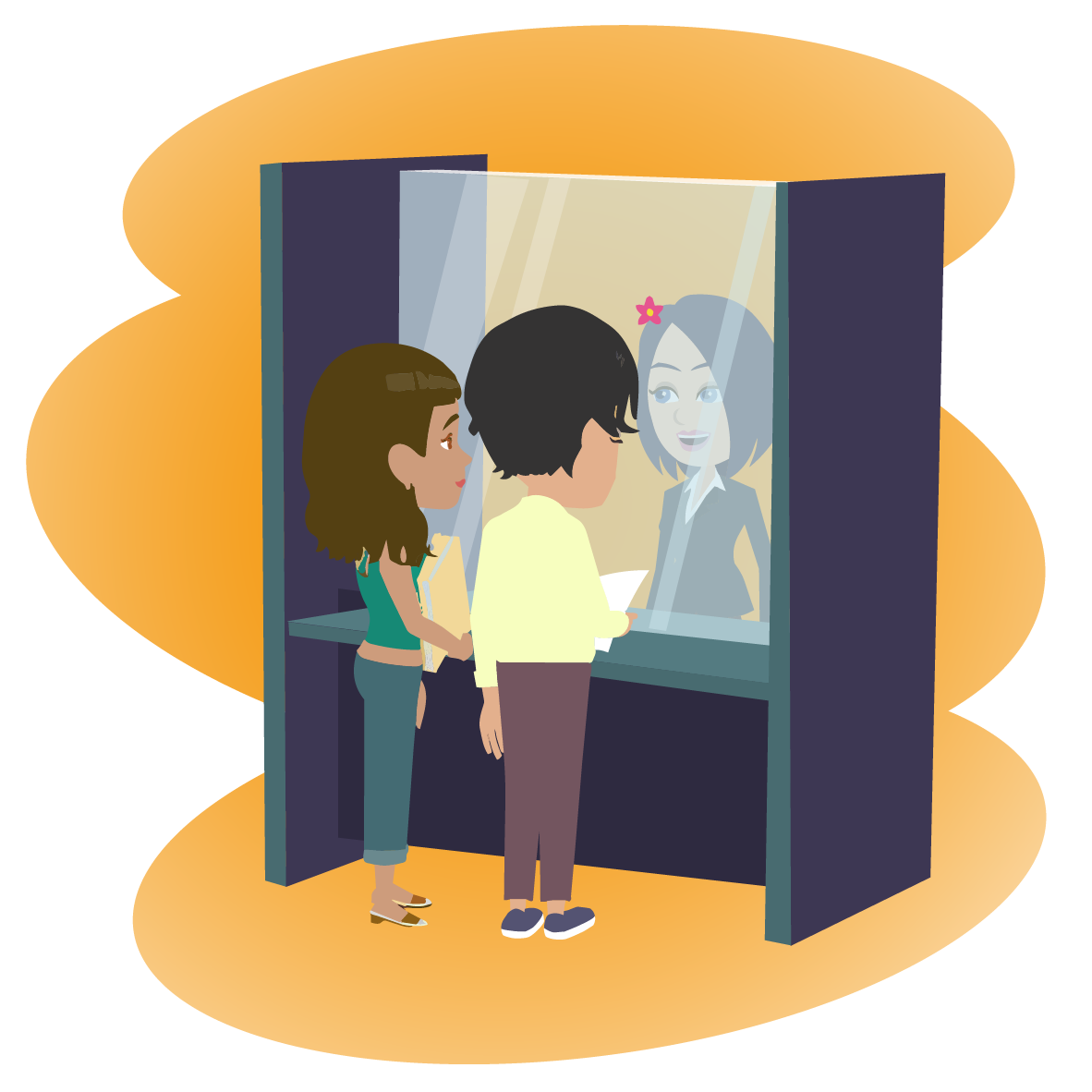
After your definitive move to Switzerland, you should first register with your municipality of residence. If you move to Zurich, you must register within 14 days. An appointment at the personal registration office is currently necessary for a move in from abroad. You can easily book it online. Depending on the situation, you need, among other things, passport/ID, rental contract, employment contract or study confirmation and other documents. More detailed information can be found here: Stadt Zürich – Zuzug
How does the health system work in Switzerland?
First things first: You must have health insurance in Switzerland. It is mandatory for all persons residing in Switzerland. After moving in, you basically have 3 months to take out basic insurance. The benefits are fixed by law for all health insurance funds, but the premiums differ depending on the fund, place of residence and model. In addition to the monthly premium, you pay the franchise and a deductible for doctor visits. If you are employed and work more than 8 hours per week, the accident insurance is usually covered through the employer. You can compare the different health insurance companies here: Comparis health insurance comparison
How do I find a job in Zurich?

Watches, "chocolate" and of course banks - Switzerland is world famous for some things. Zurich in particular is an important business location with many international companies. If you don't have a job here yet and are looking for a job, it is worth using different platforms and adapting your CV to Swiss standards. Tips and tricks for your application in Switzerland can be found, for example here. Popular Swiss job portals are jobs.ch or Jobscout24.ch.
What language is spoken in Switzerland?
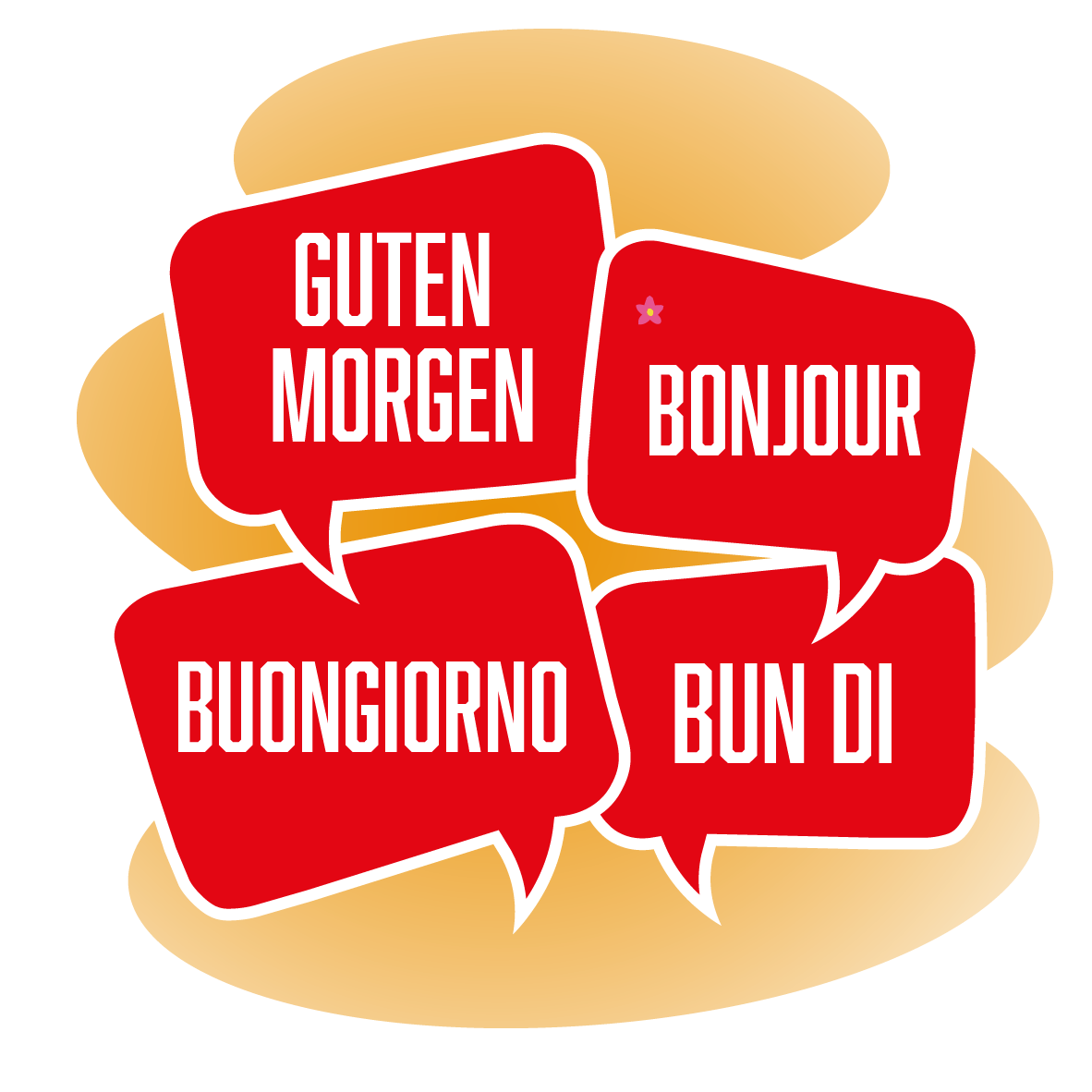
Switzerland has four national languages: German, French, Italian and Romansh. In Zurich, German is mainly spoken - in everyday life, however, mainly Swiss German. This may be unfamiliar at the beginning, because "Swiss German" differs significantly from High German. Don't worry: At the Hallo Deutschschule you will find German courses for all levels, and with good knowledge of German you are well prepared and can get used to the Swiss dialect step by step. A friendly "Grüezi mitenand" in the waiting room of the dental practice and a "Merci!" When paying at the supermarket checkout - with these expressions you actually get quite far here. Other typical Swiss German terms are, for example, these:
en Guete! (Enjoy)
Äxgüsi! (Sorry)
Zmorge (Breakfast)
Znüni (Snack between breakfast and lunch)
Zmittag (lunch)
Zvieri (Snack between lunch and dinner. The Swiss love snacks!)
Znacht (Dinner)
En Lappi (Nice version of «Idiot»)
Es Gipfeli (a croissant)
es Velo (a bicycle)
es Natel (a mobile phone)
es Chuchichäschtli (a small kitchen cupboard)
tschuttä (playing football)
schmöckä (to smell)
es Büsi (a cat)
secklä (to run fast)
e Beiz (a simple restaurant)
en Güselchübel (a trash can)
öpis (something)
en Herdöpfel (a potato)
es Poschtiwägeli (a shopping cart)
e Schtangä (a glass of beer)
es Bettmümpfeli (a small treat before bed)
Chasch nöd de Foifer und s’Weggli ha (You can't have everything at once)
Can I start learning German in my home country?

You are not moving to Switzerland yet, but would like to learn a little German now? With our online German courses for beginners, you can gain a linguistic advantage before you move. This makes it even easier to start in Zurich, and you can communicate even faster in everyday life, at work and with new people. Click here for our online German courses.
What do you do in your free time?
Experience Zurich and the surrounding area
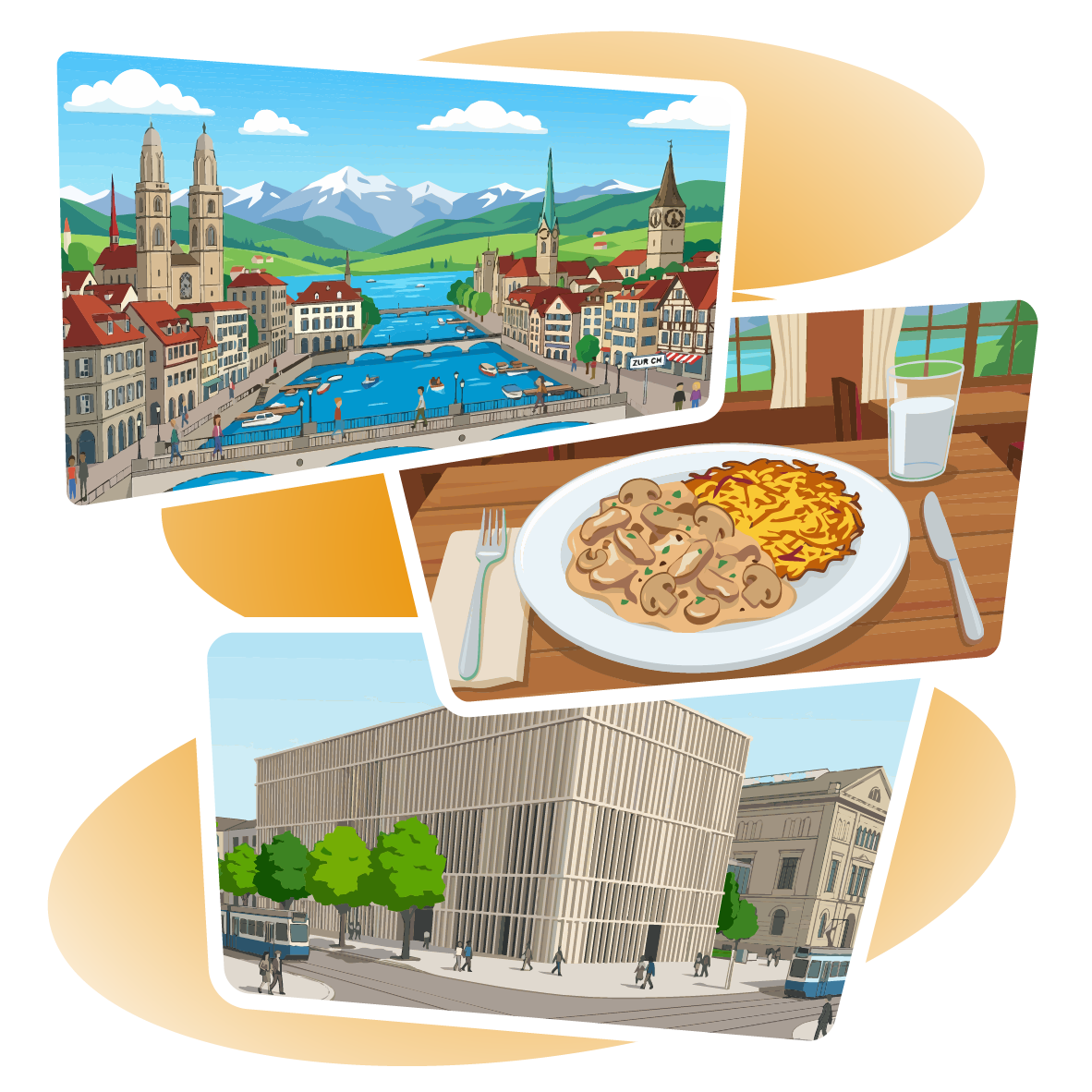
After the German course or work, it is far from closing time in Zurich. No matter whether you are new to Switzerland or already call Zurich your home: The best way to get to know the city is to go out, try something out and use your German in real life. For example, there is the old town with its winding streets, the Lindenhof, numerous museums, the opera house, the Bahnhofstrasse or the Uetliberg with its views over the city, lake and the Alps. Zurich is compact and can be explored wonderfully on foot, by bike or by tram. Stroll through the Niederdorf, enjoy the view from the Polyterrasse or spend an afternoon by the water. Especially when your head is smoking after the German course, sometimes only one thing actually helps: cooling off! The river baths of Unterer Letten and Oberer Letten are just a few steps away from the Hallo Deutschschule.
If you want to get out of the city at the weekend, you are quickly in nature thanks to the well-developed public transport: hiking at the Walensee, on the Rigi or on the 5-lake hike at the Pizol. In winter, the Flumserberge or the Hoch-Ybrig attract you for skiing, snowboarding or sledding. So you get to know Switzerland not only in the language course, but also in real life. More inspiration for excursions in and from Zurich can be found here: Discover Zurich – eating, going out and activities, Excursions from Zurich,
Discover Switzerland with Switzerland Tourism
Eating and going out
If you have ever been to Switzerland, you should of course try the cheese classic fondue and raclette - but also a "Zurich sliced with Röschti", "Ghackets and Hörnli" and "Älplermagronen" are part of the culinary cultural heritage of our country. To drink it can be a "Rivella" (you love it or you hate it) or "e Schtangä", as they say with a glass of beer in this country. Those who prefer to eat internationally are spoiled for choice: Italian, Asian, oriental or vegan - in Zurich there are restaurants for every taste. And if you can't decide, it's worth a visit to one of the street food festivals that take place regularly in the city. Straight home after dinner? That doesn't have to be! Zurich offers a versatile nightlife: from cozy bars to small concert venues to clubs where you dance until late at night. Around Langstrasse, right near the Hallo Deutschschule, and in the west of Zurich there is a lot going on in the evening and on weekends. Restaurant recommendations for Zurich , Events and nightlife